Memory Lane Quizzes That Bring Back the Past
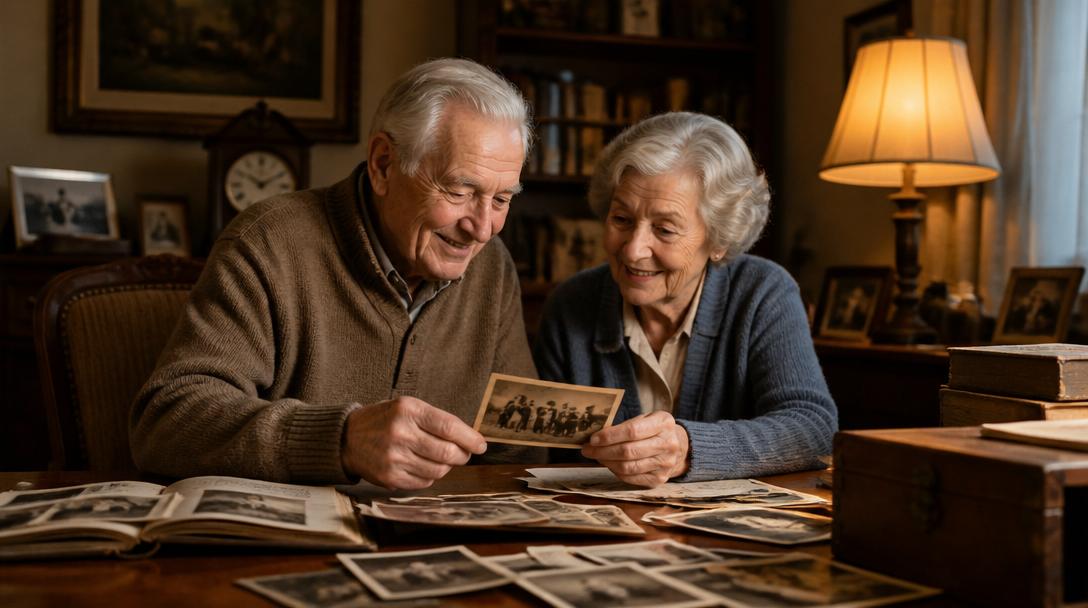
That is part of the charm of memory lane trivia. A decent quiz does not merely test what people know now; it also revives the songs, toys, programmes and everyday habits that once filled family rooms, school corridors and Saturday afternoons. One moment you are trying to remember who sang a certain hit, and the next you are back in a time when the radio was always on and the television had only a handful of channels. The best rounds work because they are built on recognition as much as recall, giving players that small burst of pleasure when something long stored away suddenly returns.
Popular culture is often the quickest route into that feeling. Questions about classic television, chart music and film stars can transport players straight to a particular decade, whether that means the age of variety shows, Saturday morning children’s television or the great era of the cinema blockbuster. A well set quiz might ask about the original cast of a long-running series, the year a famous song topped the charts or the title of a much-loved British film. These are not just facts; they are triggers for shared memory, the sort that prompt stories about where people were when they first heard the tune or which relative always insisted on watching the same programme every week.
Food and household life can be just as evocative. Questions about old sweets, discontinued supermarket favourites or gadgets that once seemed modern can spark instant recognition from one generation and blank looks from another. The charm lies in the detail, whether it is a packet design, a long-forgotten slogan or a kitchen appliance that has now been replaced by something quieter and smaller. Quiz writers know that the domestic world is full of these tiny time capsules, and a round built around them can be more revealing than one packed with obscure geography. It reminds us that memory is often anchored in ordinary things rather than grand events.
The strongest memory lane quizzes also make room for British life in all its variety. Transport questions about steam trains, Routemasters and the first experiences of motor travel can open up a whole different set of associations. So can topics such as old school lessons, pocket money, seaside holidays and the rhythms of the high street before online shopping changed everything. These subjects work because they are familiar without being flat; they invite people to compare notes, to disagree over dates, and to laugh at how certain fashions or routines once seemed completely normal.
There is a real skill in setting this kind of quiz. If the questions are too easy, the game loses its spark, but if they are too obscure, the atmosphere can turn from cheerful nostalgia to silent frustration. The sweet spot is a mixture of the obvious and the half-remembered, allowing players to score through knowledge while also rewarding instinct. A clever setter will vary the pace too, moving from a gentle prompt to a harder one, so that the room stays alert and the conversation keeps flowing between answers.
Memory lane trivia also works well because it is social. People enjoy not only getting answers right but hearing what others remember, especially when the same question brings back different versions of the past. One person may recall a television jingle, another a school game, another the smell of a particular sweet shop or the sound of an old washing machine. That shared recollection gives quizzes a warmth that is sometimes missing from more cut-and-dried forms of general knowledge, and it helps explain why these rounds are so popular at pubs, family gatherings and online quiz nights alike.
For all the nostalgia, though, the best quizzes still rely on accuracy. Dates, names and titles need to be checked carefully, because the pleasure of a memory lane round is strongest when it is trustworthy. A mistaken question can break the spell, particularly when players already know the subject well enough to spot an error. Good quiz content therefore balances sentiment with rigour, making sure the past is handled with the same care as any other branch of general knowledge.
What keeps people coming back is the feeling that these quizzes offer more than competition. They create a small archive of everyday life, one question at a time, and invite players to walk through it together. A tune, a brand, a television scene or a childhood object can unlock a whole era in seconds, which is why memory lane trivia remains such an appealing corner of general knowledge. It is not simply about what can be remembered, but about how vividly the past can still be felt when the right question comes along.