Wildlife Quiz Fun for Young Animal Lovers
Children are often natural experts on animals before they realise it. They can spot the difference between a lion and a leopard in a picture book, know that penguins do not fly, and tell you that dolphins live in the sea but are not fish. The best animal quiz for kids builds on that curiosity by turning familiar creatures into small puzzles, each one revealing something new about the world outside the classroom.
A strong quiz works because it mixes easy questions with a few that make children think a little harder. A question about which animal is the largest land mammal invites an answer that many youngsters already know, while one about which creature sleeps hanging upside down from a branch can introduce bats in a memorable way. The aim is not to catch children out but to help them make connections between animal features and the places those animals live. That is why a quiz can move smoothly from pets to farm animals, then on to rainforest birds, ocean giants and creatures that creep through the night.
Habitats are a wonderfully useful way into wildlife knowledge because they give children a sense of place. A child who learns that camels are suited to deserts, polar bears live in the Arctic and frogs need damp environments begins to understand that animals are shaped by their surroundings. It also helps to explain why some species have thick fur, webbed feet or long beaks. Instead of memorising isolated facts, children start to see patterns, and those patterns make later learning much easier.
The animal world is full of details that are both simple and surprising. An owl’s silent flight, a chameleon’s colour changes and a giraffe’s long neck all make for excellent quiz material because each fact feels a little magical. Yet it is worth being accurate and straightforward, especially with younger children. For example, not all birds can fly, not all marine animals are fish, and not every creature with stripes is a zebra. Clear wording matters, because children often remember the exact phrasing of a question long after the quiz has ended.
A good wildlife quiz also reflects the difference between common knowledge and genuine observation. Many children know that cows give milk or that dogs wag their tails, but fewer may have thought about why birds have beaks of different shapes or why some insects are active at night. Questions like these encourage children to look more closely at the natural world. That kind of attention is especially valuable today, when nature can sometimes feel distant from daily life. A quiz can turn a walk in the park, a visit to the zoo or even a rainy afternoon with a nature book into a fresh adventure.
It helps to include animals from across the planet rather than relying only on the most obvious favourites. Tigers, elephants, koalas and penguins are popular for good reason, but children can also enjoy learning about hedgehogs, red squirrels, puffins and otters. British wildlife in particular can make a quiz feel close to home, especially when children recognise animals they may have seen in gardens, fields or along the coast. That local touch gives the quiz a sense of relevance and can encourage children to notice wildlife in their own neighbourhoods.
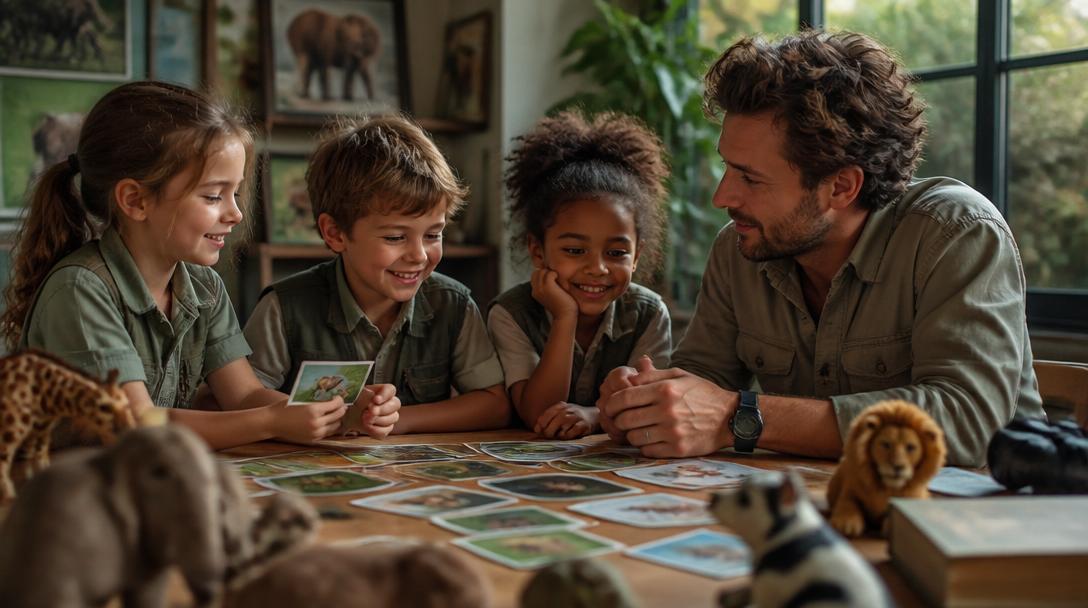
The format matters as much as the facts. Short, lively questions keep the pace moving, while picture rounds can be especially effective for younger children who are still building confidence with reading. If a quiz is read aloud, it should sound conversational rather than overly formal, with enough variety to keep attention sharp. One question might ask which animal is known for black and white stripes, another might ask which bird is famous for its bright orange beak, and another might ask which creature makes a honeycomb. The rhythm of the quiz should feel playful and brisk, not like a school test.
There is also real value in questions that invite children to use logic. If they know that a crocodile is a reptile, that a spider is not an insect, or that a whale breathes air, they are learning categories as well as facts. That sort of reasoning is useful far beyond wildlife. It teaches children to compare, group and question, which is exactly what good learning should do. A quiz that gently stretches the mind without becoming difficult to the point of frustration is usually the one children remember most fondly.
What makes animal quizzes so enduring is the sense of wonder they create. A child who learns that a snail carries its home, that an octopus has eight arms, or that a woodpecker uses its beak like a tool is not just collecting trivia. They are building a picture of a world that is varied, ingenious and sometimes strange. And once that picture starts to form, the next quiz question becomes less of a challenge and more of an invitation to look closer at the creatures all around us.