Horror Film Trivia for True Buffs
Horror has always been a genre of hidden workmanship. Behind the jump scares and blood-curdling music lies a rich history of craft, invention and cultural anxiety, which is why trivia about horror films can be so satisfying for devoted viewers. It is not just about remembering which character survived the night; it is about noticing how directors use shadow, sound and suggestion to make an audience shiver before anything dreadful even appears on screen.
One of the most enduring pleasures of horror trivia is tracing how the genre evolved from suggestion to spectacle. Early silent classics such as Nosferatu from 1922 and The Cabinet of Dr Caligari from 1920 showed that fear could be created through expressionist sets, distorted angles and eerie movement long before modern special effects existed. Later, when sound arrived, filmmakers gained a new weapon in the form of silence broken by sudden noise, and the eerie creak of a door or a whispered line became almost as important as the monster itself.
Classic horror also offers a treasure trove of production stories that often surprise even well-read fans. Alfred Hitchcock’s Psycho, released in 1960, is still studied for the way it misdirects the audience and then overturns expectations, while its notorious shower scene remains one of cinema’s most analysed sequences. The film’s black-and-white photography was not simply an artistic choice; it helped keep the violence from becoming too explicit for the censors of the time, proving that limitations can sometimes sharpen creativity rather than dull it.
Trivia lovers also enjoy the way horror films borrow from literature, folklore and history. Bram Stoker’s Dracula has inspired countless screen versions, but many of the genre’s most famous figures are not direct copies of the original novel’s vampire. Frankenstein’s creature, for instance, has become so deeply entwined with popular culture that many people forget Mary Shelley’s 1818 novel was a meditation on ambition, responsibility and the fear of scientific overreach. That mixture of gothic literature and modern unease still gives horror a sense of depth that goes beyond mere shocks.
Some of the most memorable horror facts come from films that turned modest resources into lasting cultural impact. George A Romero’s Night of the Living Dead, released in 1968, helped redefine the zombie film and is often credited with shaping the modern undead as a relentless social metaphor. The film’s stark tone and bleak ending gave it a power far beyond its budget, and it also became an important example of how horror can reflect contemporary fears without ever becoming didactic. That is part of the genre’s genius: it can be both pulpy entertainment and a mirror held up to society.
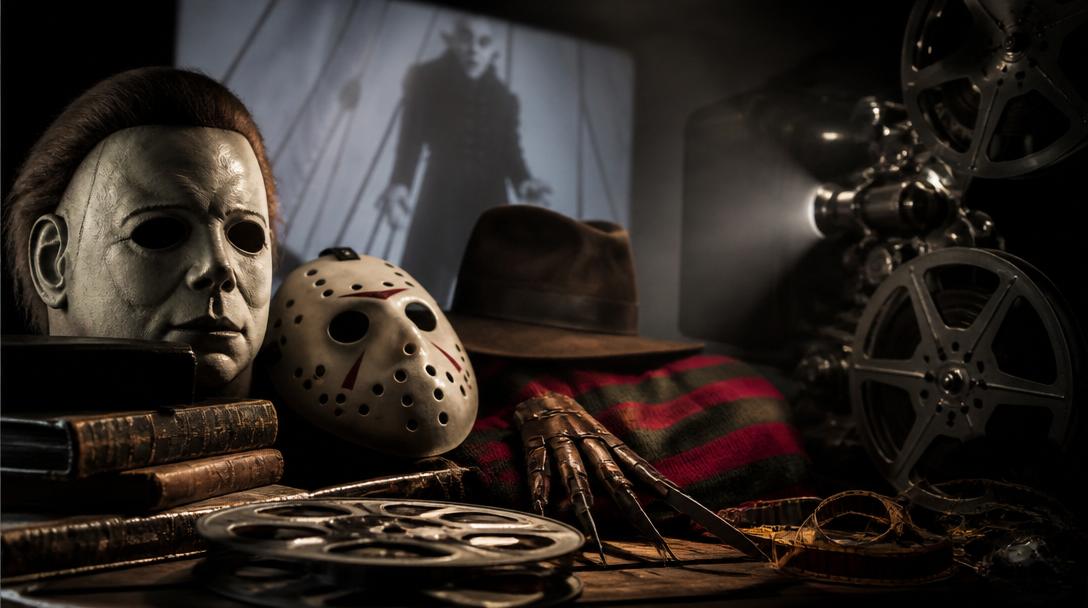
The slasher boom of the late twentieth century added another layer of trivia for fans to enjoy. John Carpenter’s Halloween, released in 1978, is a masterclass in suspense, using a simple premise and an unforgettable musical theme to create a sense of dread that lingers long after the credits roll. Its masked antagonist, Michael Myers, became one of cinema’s most recognisable figures, and the film’s influence can be traced through countless later thrillers that borrowed its structure of stalking menace and suburban vulnerability.
What makes horror quizzes particularly appealing is that they reward attention to detail. Knowing which film popularised a certain trope or which actor first played a famous monster can be satisfying, but the best questions also reveal how closely horror is tied to filmmaking itself. A clever quiz might ask about practical effects rather than digital ones, or about how sound design creates tension in the absence of visible threat. In many cases, the answer tells you as much about the history of cinema as it does about the film in question.
Modern horror has only broadened the field of possible questions. Films such as The Blair Witch Project in 1999 demonstrated how an apparently amateur style could make fiction feel disturbingly immediate, while later titles including Get Out in 2017 showed how the genre could tackle race, power and social discomfort with sharp intelligence. These films remind audiences that horror is never fixed in one shape; it adapts to the worries of its moment and finds new ways to unsettle viewers who think they have seen it all before.
That is why the spookiest quizzes are often the ones that go beyond plot recall and explore the atmosphere around the films themselves. They ask who directed, who composed, which special effect was used, and which cultural fear was being channelled through the story. For true film buffs, horror trivia is a chance to appreciate not only what made people scream, but what made those screams unforgettable in the first place.