Word Puzzles Bring Calm To Senior Leisure
Free online word puzzles have become a reassuring form of entertainment for many older adults who want something gentle, familiar and easy to pick up. They do not demand expensive equipment, special skills or a long attention span, only a phone, tablet or computer and a little curiosity. That makes them especially useful for anyone who wants to keep the mind busy without the strain that comes with fast-moving games or complicated rules.
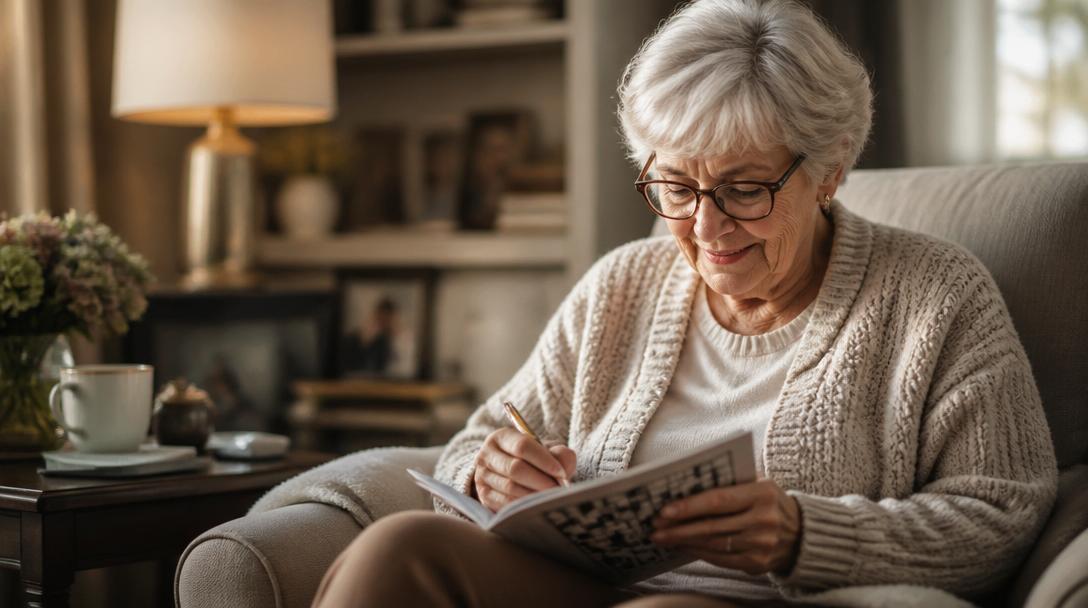
The best thing about this kind of pastime is its variety. A senior reader might enjoy a straightforward crossword one day, a word search the next and a simple anagram puzzle after that. Each offers a different sort of challenge, yet all rely on the same basic pleasure of spotting patterns and recognising words that have almost come into view. For people who have spent a lifetime reading newspapers, doing the daily crossword or playing Scrabble with family, these online versions feel comfortably familiar rather than intimidating.
Ease of access is another reason they work so well. Many websites offer puzzles that open directly in the browser, so there is no need to download anything complicated or create an account before getting started. Larger screens and adjustable zoom can make the experience more comfortable, particularly for those who prefer to read at their own pace. The ability to pause and return later is also helpful, because a puzzle should feel like a pleasure rather than a race against the clock.
Word puzzles can also provide a useful sense of rhythm to the day. A short session in the morning can act as a gentle wake-up for the brain, while a puzzle after lunch may offer a restful alternative to television or aimless scrolling. Some people treat them as a quiet routine, much like a cup of tea and the newspaper, and that sense of repetition can be deeply comforting. It is a pastime that fits easily around appointments, household tasks and the unpredictability of family life.
There is also a social side to all this, even when the puzzle itself is solitary. Grandchildren may enjoy helping with a stubborn clue, or a couple might sit together and discuss possible answers in the same way they once argued over a quiz question on television. A puzzle can become a shared conversation rather than a private task, and that makes it more than simple screen time. For many families, it is a small but pleasant way of spending time together without needing to leave the house.
The charm of easy word games lies partly in their tone. They are rarely overfussy and usually do not punish mistakes harshly, which matters to readers who want entertainment without pressure. A good puzzle gives just enough resistance to feel worthwhile, then rewards patience with that small flash of recognition when the answer clicks into place. That moment can be surprisingly satisfying, especially for anyone who enjoys language and likes to see how words fit together.
Different puzzles suit different moods. Word searches are ideal when concentration is light and the aim is simply to spot familiar terms hidden in a grid. Crosswords suit those who enjoy clues and definitions, even if they only manage a few answers at first. Anagrams and word scrambles can be especially enjoyable for people who like to rearrange letters in their heads, while simpler trivia quizzes add a touch of variety for readers who prefer questions over pure wordplay.
The free nature of these puzzles matters too, particularly for pensioners who appreciate entertainment that does not chip away at a fixed budget. Once an internet connection is available, the cost is usually nothing at all, and that makes it easy to try several sites before settling on a favourite. It also lowers the barrier for people who may be cautious about subscriptions or wary of online purchases. In that sense, free puzzles are not merely convenient; they are welcoming.
Good design makes a real difference. Clear fonts, uncluttered pages and sensible instructions help older users feel confident from the first click. Sites that avoid flashing adverts, tiny text and awkward navigation are far more likely to win repeat visitors, because comfort is as important as challenge. A puzzle should feel like a friendly invitation, not a test of technical patience.
Perhaps the greatest attraction is that word puzzles reward persistence in a very human way. The answer may not arrive instantly, but it usually comes with a little thought and a bit of patience, and that can make the victory feel earned. For seniors looking for free online entertainment, that combination of calm, familiarity and modest achievement is hard to beat, especially when the afternoon needs filling with something light but worthwhile.