Why a Hard Quiz Defeats Most Players
General knowledge quizzes have a particular way of exposing how unevenly information is stored in the mind. Most people can answer a question or two on their strongest subjects, whether that is sport, literature, geography or science, but a full ten out of ten demands something broader and more exacting. It is not just about what you know, but about how quickly you can retrieve it when the clock is running and the answers are hidden among plausible distractors.
That is one reason hard quizzes remain so popular. They create a small drama out of ordinary facts, turning the capital of a distant country, the date of a historic event or the name of a scientific process into a test of composure as much as memory. The difficulty is often less about obscurity than about precision, because many questions are built to catch out anyone who half-remembers the answer. A person may know that the Battle of Hastings took place in 1066, but misread a similarly worded question and lose the point anyway.
The toughest quizzes also draw on a wide spread of subjects, which is where many players come unstuck. Someone with a good grasp of music might falter on chemistry, while a keen reader may struggle with football or astronomy. That breadth is deliberate, because general knowledge is meant to reward well-rounded curiosity rather than specialist expertise. In practice, it reflects the way we learn throughout life, picking up fragments from newspapers, documentaries, school, travel and conversations without always noticing how they fit together.
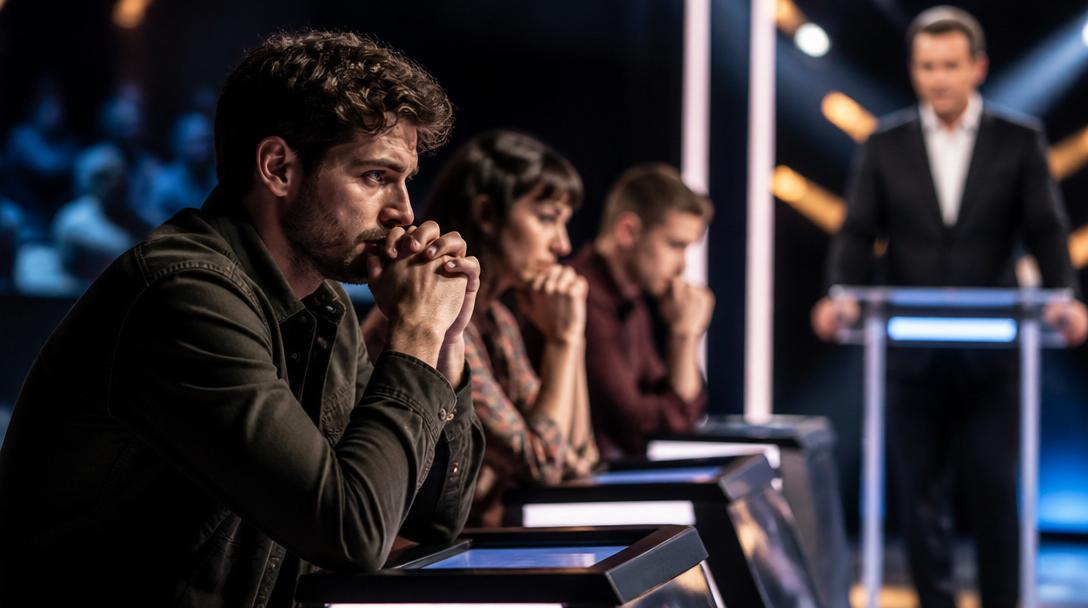
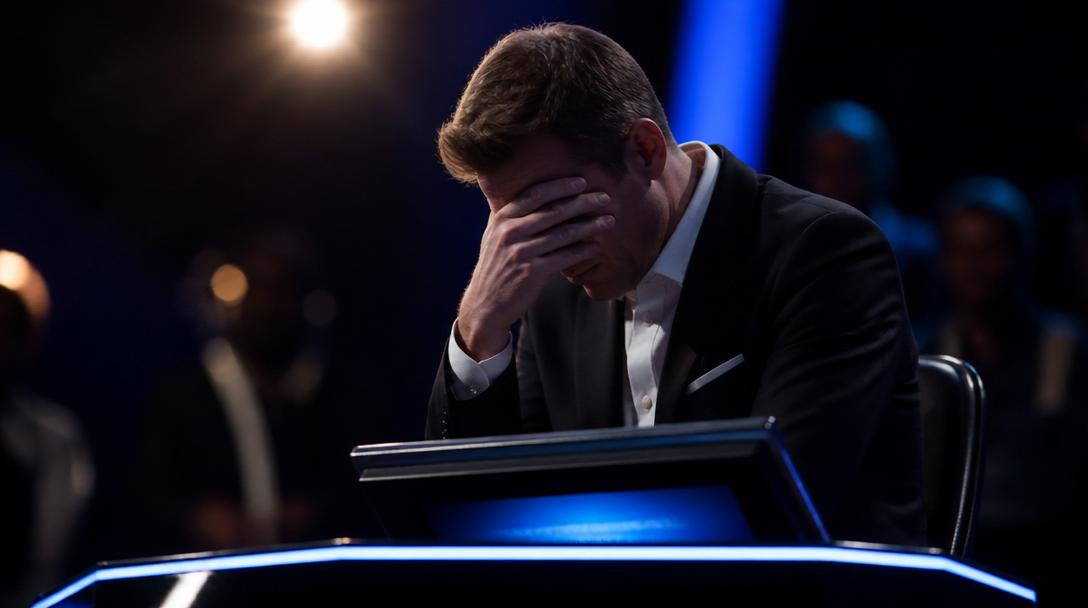
There is also a psychological trap built into quiz taking. Once a player misses an early question, the pressure can rise sharply, and that pressure makes even familiar facts harder to recall. Confidence matters more than many people realise, because the brain does not perform as cleanly when it is busy second-guessing itself. A question that feels obvious in the kitchen can become strangely slippery when it appears in a timed quiz with a perfect score on the line.
Some of the hardest questions are difficult because they rely on exact wording. A quiz may ask for the largest ocean, the highest mountain in a particular range or the official language of a country, and only one answer will do. Others test whether a player can distinguish between closely related facts, such as a capital city and a largest city, a novel and its film adaptation, or a scientific discovery and the person who first explained it. These are not tricks in the unfair sense, but they do reward careful reading and a disciplined memory.
The appeal of a 10 out of 10 challenge lies partly in its fairness. Everyone starts with the same set of questions, and no amount of confidence can replace the facts themselves. At the same time, the quiz format has an element of theatre, because even capable players know they are vulnerable to a blank moment or a careless assumption. That combination of certainty and uncertainty is what makes a hard quiz so compelling, and why a perfect score can feel like a small triumph rather than a routine result.
It also helps explain why people enjoy sharing these quizzes with friends and family. A difficult set of questions becomes a conversation about what each person remembers, where they learnt it and which subjects they never quite mastered. One player may recall a detail from a school lesson years ago, while another pulls a fact from somewhere unexpected, such as a travel guide or a radio programme. The score matters, but so does the recognition that knowledge is scattered unevenly across everyday life.
A quiz promising that only 5 per cent of people can score 10 out of 10 taps into that mixture of pride and uncertainty. Whether or not a player reaches the top mark, the challenge has already done its work by forcing the brain to rummage through geography, history, science and culture in rapid succession. The best questions leave you thinking not only about what you knew, but about the curious paths by which information gets stored and then, sometimes, unlocked at exactly the right moment.