Quizzes That Keep Senior Minds Sharp
Brain training quizzes have become a familiar feature of modern life, but for seniors they can serve a purpose that is both practical and enjoyable. A well-made quiz gives the mind a gentle workout by asking it to retrieve names, dates, words and facts that may not have been used for a while. That process matters because memory is strengthened through use, much as muscles respond to regular activity. The appeal is simple enough: it feels like entertainment, yet it also encourages the brain to stay alert.
What makes quizzes especially useful in later life is their flexibility. They can be tackled on paper, on a smartphone, on a tablet or in a group at a lunch club, and they do not demand special equipment or athletic ability. A crossword-style general knowledge quiz may prompt long-term memory, while a picture round can exercise recognition and attention to detail. Even a short daily quiz can create a routine that gives shape to the day, which is often valuable for people who are retired and no longer living by the timetable of work.
There is a sensible distinction to be made between keeping the mind active and making extravagant claims about “brain training”. Researchers have found that repeatedly practising a specific task can improve performance on that task, but that does not mean every mental game transfers neatly into broader intelligence or prevents age-related decline. What quizzes can certainly do is encourage engagement, and engagement itself is worthwhile. They ask the brain to focus, compare, recall and sometimes adapt, all of which are useful mental habits.
For seniors, the social side of quizzing can be just as important as the mental side. A pub quiz, a community centre afternoon or an online quiz with family can reduce isolation, which is a serious concern in later life. Conversation naturally follows the questions: one answer reminds someone of a holiday in Devon, another prompts a story about a long-ago television programme, and suddenly the activity is no longer just about right and wrong answers. That shared enjoyment can make people more likely to return, and consistency is what gives any mental routine its value.
The best quizzes for older adults are the ones that are enjoyable enough to repeat. A mix of subjects works well, because people often have strong knowledge in some areas and gaps in others, and that variety keeps things interesting. Questions on history, music, geography, sport, literature and everyday life can all offer different kinds of challenge, from factual recall to deduction. It is also sensible to keep the difficulty balanced so that the quiz is stimulating without becoming frustrating, since discouragement is the enemy of continued participation.
There is also a practical benefit in using quizzes to support confidence. Some older people worry that lapses in memory mean they are “losing it”, when in fact occasional forgetfulness is common at any age. A quiz can show that the mind is still lively, even if it does not always produce an answer instantly. In that sense, the activity is reassuring as well as entertaining, because it reminds people that thinking quickly is only one part of intelligence and that experience often supplies the answer after a moment’s reflection.
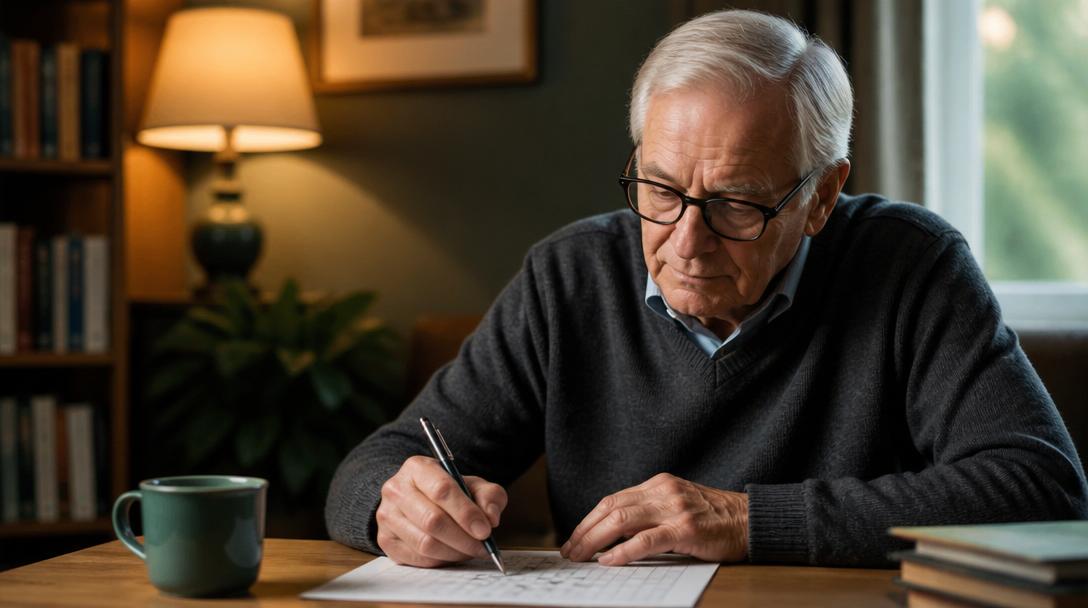
Technology has made quizzing easier to access, though not every senior wants to spend time on a screen. Many websites and apps now offer large text, audio prompts and simple layouts, which can help those with limited vision or dexterity. Yet a printed quiz with a pen and a cup of tea can be just as effective, and for some people it is more relaxing. The point is not the format but the habit: a regular chance to recall, reason and concentrate in a way that feels pleasant rather than demanding.
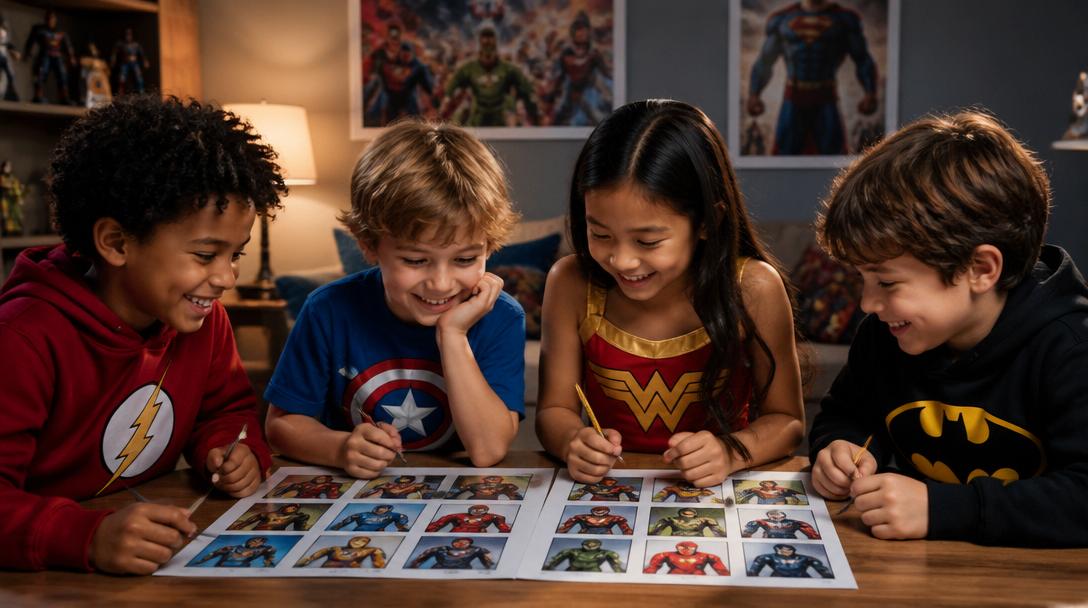
Perhaps the greatest strength of brain training quizzes is that they fit naturally into ordinary life. They can be done alone, with a partner, or with grandchildren who are astonished that someone remembers the capital of a faraway country or the name of a singer from decades ago. They can brighten a quiet morning, spark a conversation or provide a welcome sense of achievement. For seniors who want to keep their minds active without turning the process into a chore, a good quiz remains one of the simplest and most satisfying tools available.