From Pub Quiz to Digital Play
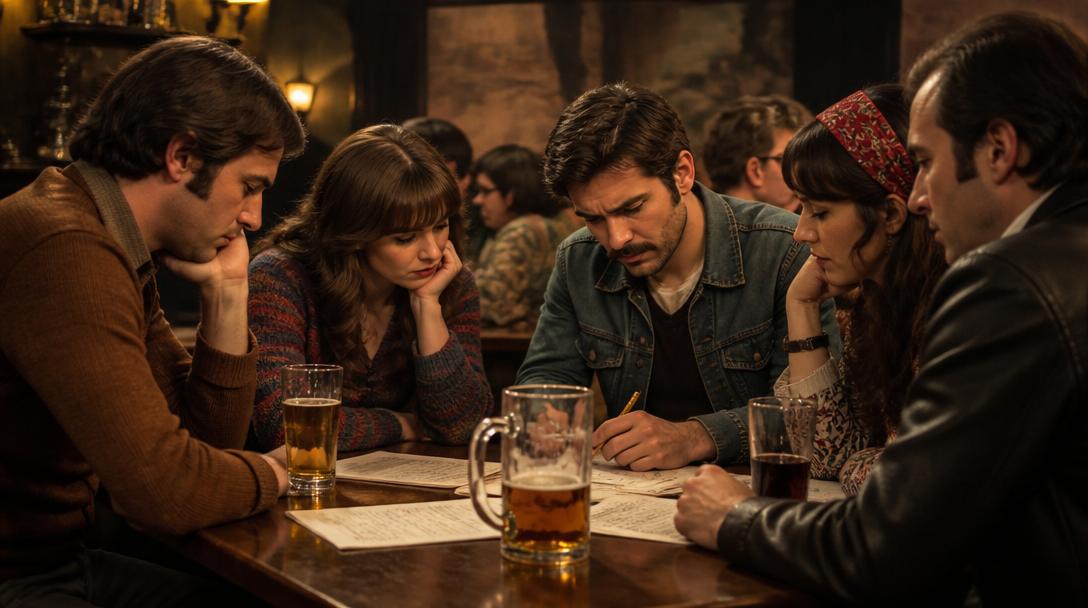
For decades the quiz has been one of Britain’s most reliable forms of social entertainment, and its appeal lies in a simple bargain: a question is asked and everyone present feels compelled to answer it. In pubs up and down the country, the weekly quiz night turned that instinct into ritual, giving regulars a reason to gather on a dull Tuesday and compete over history music sport and general knowledge. The format suited British social life perfectly because it mixed rivalry with conversation, and it rewarded both serious learning and a lucky guess.
Long before the internet, quizzes were already part of the national habit of home entertainment. Radio and later television made them familiar to millions, with broadcast quiz shows proving that knowledge could draw a crowd as effectively as music or drama. Programmes such as Mastermind, first aired in 1972, helped establish the modern idea of the expert contestant under pressure, while other shows made the quiz into a family event watched from the sofa. These broadcasts did more than entertain; they taught audiences how to enjoy being tested, and they gave the format a sense of prestige that pub quizzes could borrow in a more informal way.
The rise of the modern pub quiz also reflected changes in how people socialised. A quiz night was cheap to run, easy to organise and naturally inclusive, since anyone could join a team and contribute something, whether that was knowledge of cricket or a memory of a pop song. Quizmasters became local characters in their own right, reading out questions and keeping score with a mixture of authority and humour. What mattered was not only who won, but the shared performance of thinking under pressure, with laughter often following the most confident wrong answer.
The leap from pubs to pixels began when home computers and later the internet started to offer the same pleasures in a new form. Early digital quizzes were simple affairs, often text-based and limited by the technology of the time, but they captured the same thrill of instant feedback. As the web matured, online quiz sites gave players the chance to test themselves at any hour, without waiting for a weekly event or a television slot. The attraction was obvious: a quiz could now live in a browser window, travel in a pocket and be played alone or against strangers.
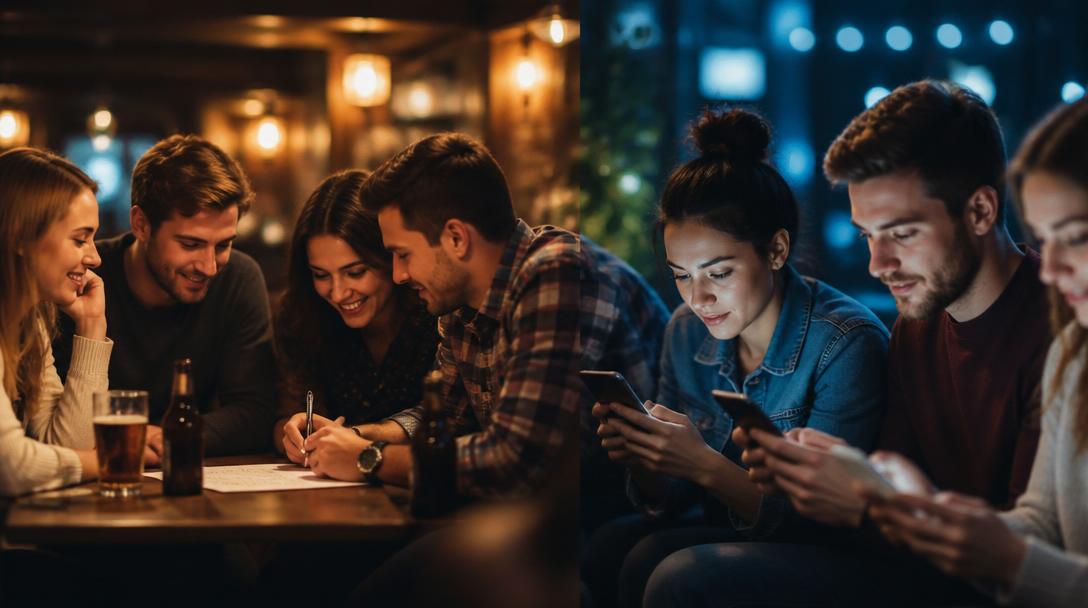
The mobile phone transformed the format even further. Touchscreens made answering feel immediate, while app stores turned quizzes into a permanent part of everyday downtime, available on trains in lunch breaks or while waiting for the kettle to boil. At the same time, social media helped quizzes spread at speed, because a good question is easy to share and a bad result is even easier to boast about or laugh over. The digital quiz became less about sitting in one place and more about constant participation, with each correct answer offering a small burst of satisfaction.
What changed most in the transition from pub to pixel was not the idea of the quiz itself but the way it could be personalised. Digital platforms could track interests and serve up questions on film history, geography, science or specialist hobbies, allowing players to chase the exact subjects they enjoyed. That made the quiz more flexible than the old one-size-fits-all paper round, while still preserving the fundamental challenge of recall under time pressure. Even the simplest online game could recreate the age-old pleasure of knowing something others do not.
Yet the modern quiz game has not replaced its older forms so much as extended them. Pub quizzes remain popular because they offer something no app can fully copy: the sound of a room thinking together, the tension before an answer is revealed and the shared groan when a team gets it wrong. Digital quizzes, meanwhile, have made the format more accessible than ever, bringing it to people who may never set foot in a quiz night but still enjoy the same mental contest. The result is a remarkably durable tradition, one that has moved from the bar table to the browser without losing its social spark.