Binge Watch TV Trivia Challenge
Once television moved from a weekly appointment to a bingeable box set, it also became a test of attention. Viewers now race through entire series in a weekend, yet the best trivia questions often hinge on a throwaway line, a background prop or a brief appearance that flashed by in episode three. That is what makes a binge-watcher quiz so satisfying: it rewards the people who really stayed with the story rather than merely having it on in the background.
The modern streaming era has altered how audiences store television memories. When a series is released all at once, characters, plot twists and supporting players arrive in a flood, and the brain has to work harder to separate them. In the past, a week between episodes gave viewers time to reflect, debate and fill in the gaps, but binge watching compresses that process and can make details blur together. A quiz built around this habit is therefore not just a test of fandom, but of recall under pressure.
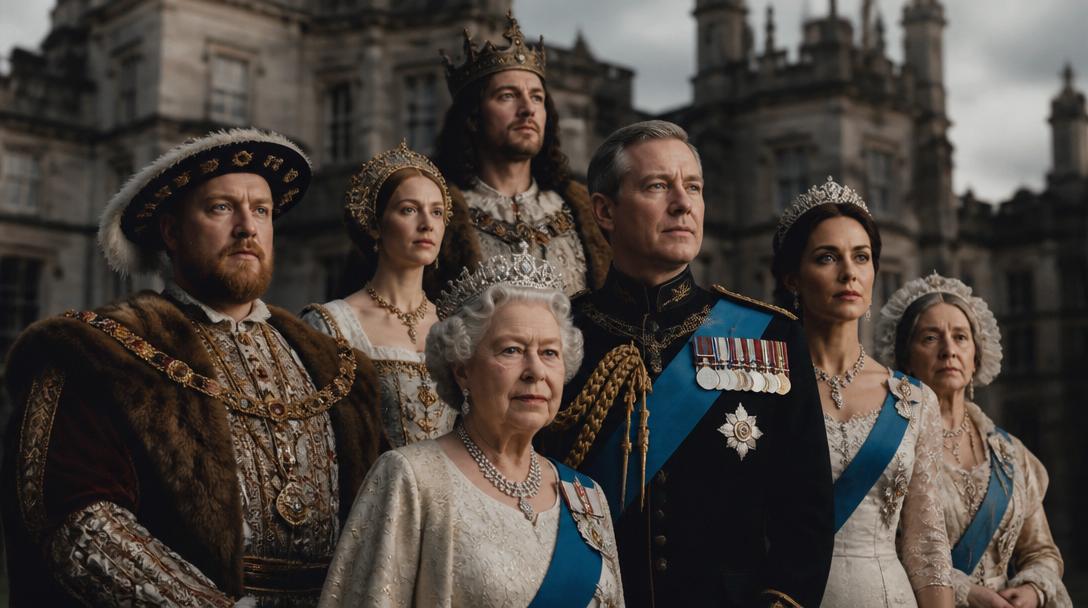
The best questions in this style usually draw from shows that have become part of the shared conversation. Game of Thrones, for example, offers a rich seam of material because its world is vast, its character list is enormous and its visual clues are often easy to miss on first viewing. Stranger Things gives quiz setters plenty to work with too, from the 1980s references to the rotating cast of children and adults, while The Crown invites questions about historical figures, casting changes and the production choices that helped define each era. Even lighter series can be unexpectedly tricky when a quiz asks about the name of a fictional workplace, a recurring catchphrase or the exact order in which a character’s loyalties shift.
A good binge-watcher edition also understands that not all knowledge is created equal. Some questions should be broad enough for casual viewers to have a chance, while others can reward those who have watched a series twice or kept up with fan discussion online. That balance matters because the appeal of television trivia lies partly in recognition and partly in surprise. If every question is obscure, the quiz feels punishing; if every answer is obvious, it loses the pleasure of making people prove how closely they were paying attention.
Streaming has also made spoiler culture a major part of how television is discussed. Entire box sets can be consumed rapidly, which means revelations spread faster and audience reaction becomes more immediate. A trivia quiz can tap into that shared experience by asking about the moments everyone was talking about when they first aired or dropped, from major character deaths to finales that divided opinion. The memory of watching something unfold all at once often stays vivid, which is why viewers can remember where they were when they reached a key twist, even if they struggle with the name of a minor character.
There is a practical side to this kind of quiz as well. Because many viewers watch on demand, they can revisit episodes more easily than in the days when missed broadcast television might remain missed forever. That means the most dedicated players often have a second layer of knowledge, built from rewatches, pause buttons and the habit of noticing details in captions or opening credits. Questions about theme tunes, episode titles and recurring visual motifs can be especially effective, because these are the sorts of things that become familiar only when a series is consumed in long stretches.
British television offers its own fertile ground for this format. Shows such as Line of Duty, Doctor Who and Peaky Blinders have generated loyal audiences who enjoy arguing over timelines, identities and hidden clues. Some are driven by intricate plotting, others by atmosphere or performance, but all lend themselves to quizzes because they invite viewers to keep track of names, places and unfinished mysteries. Even comedy series can pose a challenge, since a remembered joke is not always the same thing as a remembered episode title or supporting cast member.
A binge-watcher quiz works best when it mirrors the viewing experience itself. It should move quickly, mix easy wins with tougher recoveries and make space for those moments when a contestant suddenly realises they have remembered far more than they expected. That surprise is part of the fun of television trivia: one minute you are certain a detail has vanished, and the next a single scene, line or costume choice brings the whole thing back. For anyone who has ever told themselves they were only watching one more episode, that is a fitting way to be tested.