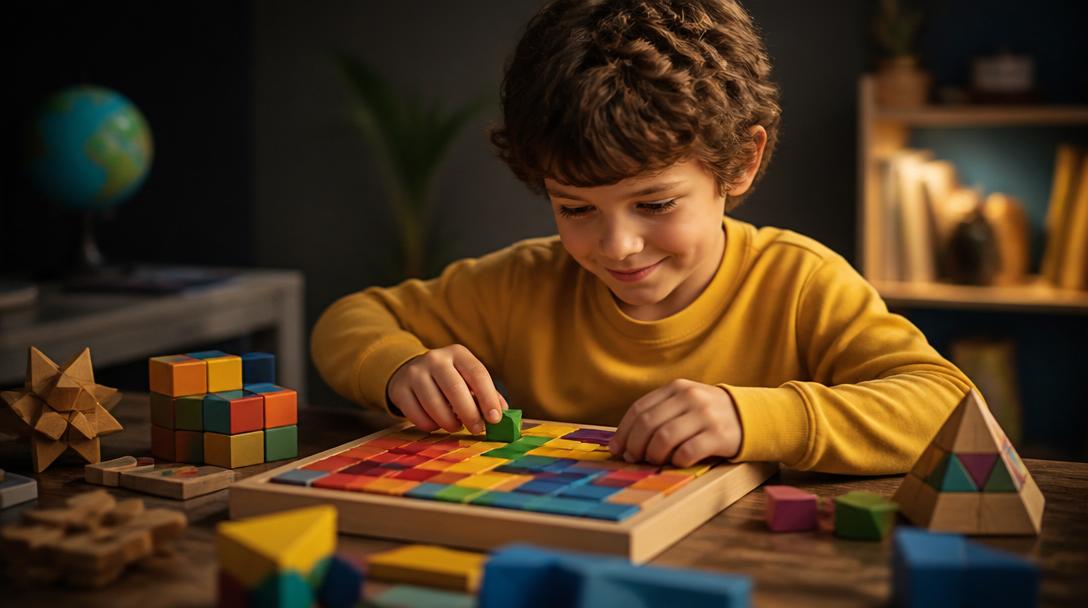
Why Free Quizzes Hook the Brain
There is a simple reason the best quiz formats feel addictive: they ask the brain to do work it is already built to enjoy. A good question creates a small gap between what you know and what you want to know, and that gap is often enough to keep you clicking on to the next challenge. In a world of endless scrolling, a quiz offers something different, a neat little task with a clear beginning and end.
That is especially true of riddles, which rely on misdirection as much as logic. A puzzle that sounds obvious at first often turns on a hidden meaning, a double sense or a detail that was there all along, waiting to be noticed. When the answer lands, the satisfaction is immediate because the mind has not merely received information, it has rearranged it.
Interactive quizzes also suit the way many people now use the internet. They are quick to start, easy to share and rarely demand long concentration, yet they can still feel personal because each answer creates a tiny record of your own judgement. Free quiz sites have taken advantage of that by offering everything from general knowledge rounds to themed brain teasers, all accessible without payment or complicated sign-up. For readers who want a five-minute mental reset rather than a full evening commitment, that balance matters.
The appeal is not only entertainment. Memory works best when it is tested, not just when it is read, and quiz questions make that process feel less like revision and more like play. When you try to retrieve a fact under a bit of pressure, you are strengthening the path to it, which is one reason repeated quizzing can make information easier to recall later. That is why schoolteachers, trainers and self-taught learners have long used question-and-answer methods, even if they would not describe them in the language of brain science.
Riddles add another layer because they encourage flexible thinking. Instead of moving in a straight line from clue to answer, you may need to step back, change angle or question an assumption you did not realise you had made. That kind of mental shift can be refreshing, particularly for adults whose days are often filled with routine tasks that reward speed more than imagination. A clever puzzle reminds you that careful thought is not the enemy of speed; sometimes it is the route to the quicker answer.
There is also a social side to the whole thing. Families and friends often use quizzes as a low-cost way to compete without any real stakes, and that friendly rivalry can make an ordinary evening feel livelier. A household riddle or an online challenge shared in a group chat gives everyone a common target, even when the ages and interests in the room are very different. The best quiz platforms understand this and keep the tone light enough for children, adults and older players alike.
The range matters as well. A well-built quiz site can move from music and sport to history, language and lateral thinking without losing its sense of fun, which means there is usually something for every mood. Some people want rapid-fire multiple choice, while others prefer a slower puzzle that rewards patience and a second look. Free access lowers the barrier further, because curiosity is far more likely to survive when it does not have to pass through a payment screen first.
Of course, not every quiz has the same value. Some are little more than a string of easy prompts dressed up as challenge, and some riddles rely so heavily on trick wording that they feel unfair rather than clever. The best ones strike a balance between accessibility and surprise, giving the player enough clues to stay engaged while still preserving the pleasure of a genuine breakthrough. That is where quality matters more than quantity.
What makes the modern mind gym idea work is that it takes a familiar format and turns it into a habit. You can do a few questions while waiting for a train, share a riddle over lunch or spend a quiet evening on a themed quiz without needing any special equipment. In that sense, the attraction is wonderfully plain: a good question is still one of the cheapest and most effective ways to wake up the brain.