Family Quiz Nights Bring Every Age Together
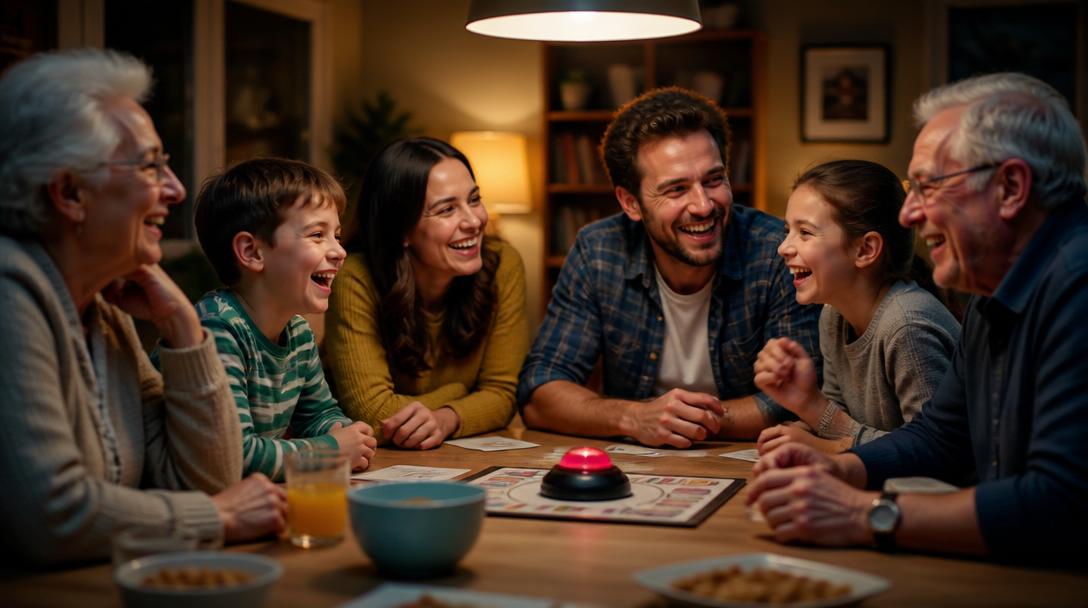
The charm of a family trivia night lies in its ability to flatten the age gap without pretending it does not exist. A child may know the answer to a question about a cartoon character, while a grandparent might be the one who remembers a royal wedding, a famous football final or the name of a much-loved children’s presenter from years gone by. When a quiz is built for mixed ages, every generation gets a turn in the spotlight, and that is what keeps people engaged rather than simply competing.
A good family quiz works best when it feels varied and fair. Questions about geography, animals, food, music, sport and everyday life give everyone a route in, while an occasional easier question helps younger children stay involved and older relatives avoid feeling left behind. It is worth mixing straightforward facts with a few playful prompts, because families usually enjoy the suspense of a question they almost know as much as the answer itself. The aim is not to produce a classroom atmosphere, but to spark conversation, memory and a bit of friendly debate.
The strongest quizzes often draw on things people already share at home. A question about the countries of the United Kingdom, the colours of the Olympic rings or the capital of Australia can sit comfortably alongside one about favourite pets, common signs of the weather or the ingredients in a classic cake. These are the sorts of topics that invite follow-up chatter as well as answers, which means the quiz keeps going even after the score has been marked. In family settings, the conversation around the answer can be just as entertaining as the answer itself.
It also helps to think about the pace of the evening. Younger children generally have shorter attention spans, so a quiz that moves briskly is more likely to hold the room. Five or six rounds of different styles can feel fresher than one long block of questions, especially if the format changes from picture clues to true-or-false and then to a rapid-fire round. Families often enjoy a sense of rhythm, where there is enough structure to feel like a proper game, but enough variety that nobody starts looking at the clock.
The best questions for mixed ages are often the ones that reward different kinds of knowledge. A child who has watched nature programmes may know more about animals than an adult who has not thought about them for years, while a teenager may be quicker on modern films or pop music. Meanwhile, older relatives are likely to have the edge on history, traditional games, or the sort of common-sense general knowledge that comes from decades of noticing how the world works. That balance is what makes family trivia night feel inclusive rather than competitive in a harsh sense.
There is also real value in keeping the tone light. Families do not need obscure facts about remote capitals or difficult scientific terminology unless everyone enjoys that sort of challenge. Better questions are the ones that let people feel clever without making anyone feel foolish, and a well-chosen mix of easier and trickier prompts can do exactly that. If a younger player gives an answer with confidence and gets it wrong, the game should still leave room for applause, laughter and a quick explanation rather than embarrassment.
Picture rounds are especially useful because they give everyone a fairer chance. A child may recognise a famous landmark, a family pet breed or a well-known flag before the adults do, and visual clues often draw in even the quietest players. Audio rounds can work too, particularly if they involve well-known theme tunes, household sounds or snippets of recognisable songs. The point is not to turn the evening into a formal examination, but to build a game that makes use of different strengths.
A family trivia night can also become a pleasant way to pass on knowledge without anyone feeling lectured. A question about the moon landing, the water cycle or the names of the planets can open the door to a proper conversation, especially if there is a curious child in the room. Likewise, a question about old-fashioned objects, local history or traditional sayings can give younger family members a glimpse into experiences they would not otherwise hear about. In that sense, the quiz becomes a small form of storytelling.
Food and atmosphere matter as much as the questions. A table laid with biscuits, squash, tea or whatever the household prefers gives the evening a relaxed feel, and a simple score sheet can be enough to keep things moving. Some families prefer to play in teams, which can be especially helpful when children are involved, because it allows adults to guide without dominating. Others enjoy rotating partnerships so that everyone gets to work with different relatives during the game.
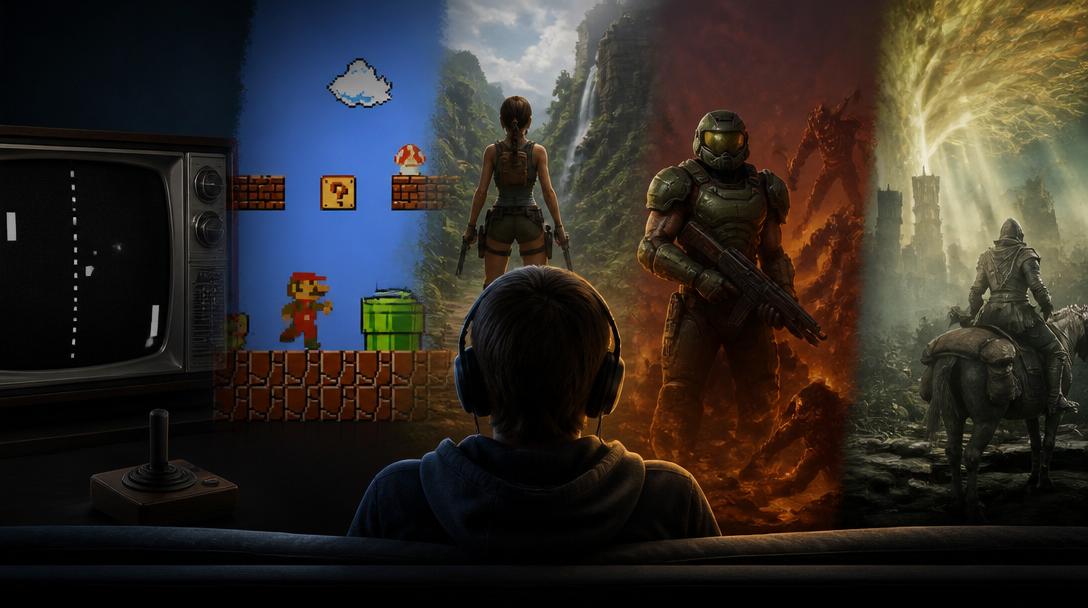
What makes the whole idea endure is that it gives families a reason to look up from their own routines and enjoy one another properly. In an age of separate screens and scattered schedules, a trivia night offers a rare chance to gather round one table and share a common game. The questions may be about history, animals, films or famous places, but the real appeal is simpler than that: for one evening, everyone is learning, guessing and laughing together.